
When the pyrexic patient has a new heart murmur
Could your pyrexic patient have valvular endocarditis?
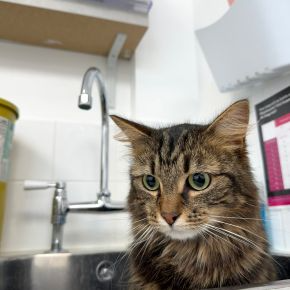
When faced with an anxious or fractious cat, gabapentin has transformed the well-known sense of dread into much calmer confidence for both veterinary teams and owners. Its use before travel and veterinary visits has become increasingly common, but what do we actually know about its effects from a cardiology perspective? And how does the licensed alternative, pregabalin, compare?
If you’d like more advice on your case after reading this article, you can use our telemedicine service, or
Most of us have been using gabapentin for many years, primarily for its analgesic properties in both cats and dogs. It is an analogue of gamma-aminobutyric acid (GABA) analogue that inhibits excitatory neurotransmitters, including glutamate (primary fast-acting brain neurotransmitter), norepinephrine (involved in stress and arousal) and substance P (used in pain signal transmission).
Numerous studies have demonstrated significant reductions in stress-related behaviours, fear, aggression and handling difficulties following gabapentin administration, with improvements even reported in hyperthyroid cats. Reduced serum cortisol concentrations have also been documented, supporting its anxiolytic effects. Although published studies use a wide range of doses (approximately 10 mg/kg to 150 mg/cat orally), individual responses remain highly variable and appear to be dose dependent.
It is important to remember that gabapentin remains off licence for this indication and should be prescribed under the veterinary prescribing cascade.
Gabapentin is generally well tolerated. Mild sedative effects are expected although several studies reported no adverse effects (even at higher doses), while others described mild, transient signs in a minority of cats, including:
These effects were typically self-limiting and resolved without intervention.
This is one of the questions we are asked most frequently before echocardiography.
Current evidence is reassuring. In healthy cats, gabapentin has not been shown to produce clinically significant changes in heart rate, blood pressure or respiratory rate. In fact, by reducing stress and lowering heart rate, it can improve assessment of diastolic function by reducing fusion of transmitral inflow waves during echocardiography.
Although one study identified a small reduction in systolic function, all measurements remained within normal reference intervals. This is unlikely to be as clinically relevant given that the most common feline cardiac disease, hypertrophic cardiomyopathy (HCM), is primarily characterised by impaired diastolic rather than systolic function.
Pregabalin (Bonqat 50 mg/ml oral solution) is currently the licensed option for reducing fear, anxiety and stress associated with transport and veterinary visits. Like gabapentin, it is a GABA analogue and produces reliable anxiolytic and mild sedative effects.
Some publications suggest pregabalin has greater oral bioavailability than gabapentin, although this claim is based largely on human data and has not been replicated in feline studies.
Peak plasma concentrations are reached within approximately one hour. As pregabalin is excreted almost entirely unchanged by the kidneys, repeated dosing may be less predictable in cats with chronic kidney disease or altered renal function, including those receiving diuretic therapy.
Cardiovascular effects appear broadly similar to gabapentin. One smaller study found that doses of 5-10 mg/kg were associated with a greater reduction in systolic blood pressure than placebo, with some episodes of hypotension. Lower doses (2.5 mg/kg) produced a smaller decrease in blood pressure. Heart rate and respiratory rate were not significantly different between treatment and placebo groups.
Although statistically significant changes in some echocardiographic diastolic measurements have been reported, these findings were concluded to have little overall clinical significance.
The Bonqat data sheet also notes potential reductions in heart rate and body temperature and advises that safety has not been established in cats with moderate to severe cardiovascular, renal or hepatic disease.
Current evidence suggests that both gabapentin and pregabalin provide valuable anxiolytic and mild sedative effects, improving patient welfare, reducing handling stress and making travel and veterinary examinations considerably less challenging for many cats.
Gabapentin remains supported by a larger body of published evidence and continues to appear cardiovascularly well tolerated in healthy cats. Pregabalin offers the advantage of being licensed and is available as an oral liquid, which some owners find easier to administer, although individual feline opinions on this may vary!
As always, gabapentin should be prescribed under the veterinary prescribing cascade, while pregabalin should be used cautiously in patients where hypotension or significant systemic disease is a concern. As clinical experience with pregabalin continues to grow, particularly in cats with cardiac disease, we will undoubtedly gain a clearer understanding of its role within veterinary cardiology. Watch this space.
Could your pyrexic patient have valvular endocarditis?
Using rivaroxaban to prevent thrombus formation in cats