
7 Cardiology Lessons I Wish I’d Known as a New Grad
Valuble cardiology lessons for general practice
We need your help to improve heart health in cats and dogs across the UK!
While it is an unrealistic dream to target all diseases in all breeds, we can look at what affects our patients most commonly.
Get in touch with our team for more information
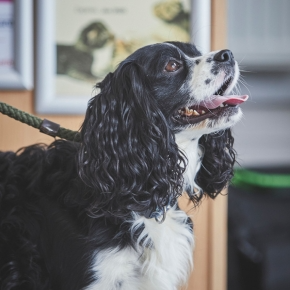
In the UK, decisions around breeding dogs with a risk of developing myxomatous mitral valve disease (MMVD) are made by individual breeders. In this country, guidance is given by breed clubs and voluntary health schemes on disease-specific screening. HeartVets are involved with heart testing via the Veterinary Cardiology Society (VCS), with several of our cardiologists accredited on the VCS screening panel. However – there are currently no strict rules enforcing all breeders to screen their animals, and responsible breeding is unfortunately not ubiquitous.
It is a different story in other areas of the world. Parts of Scandinavia have taken a more structured approach, introducing mandatory or strongly enforced screening programmes aimed at reducing the prevalence and severity of MMVD in high-risk breeds such as the Cavalier King Charles Spaniel. This provides an excellent example of the positive impact that population-level cardiac screening can achieve.
In Denmark and Sweden, breeding schemes for Cavalier King Charles Spaniels have required formal cardiac screening for many years. These programmes were established by the Danish and Swedish Kennel Clubs and the University of Copenhagan typically involving:
The aim is not only to identify affected individuals at the offset, but to shift breeding focus towards dogs that develop disease later in life, thereby reducing the overall burden of early-onset, clinically significant MMVD within the population.
Published data from Scandinavian breeding programmes demonstrates measurable benefits, including:
While the complex genetic background means that eliminating MMVD entirely is unlikely, these programmes do demonstrate that structured screening can positively influence disease expression at a population level.
Due to the voluntary nature of heart screening, uptake and consistency vary between breeds and breeders. Ultimately, decisions for the ‘supply’ of puppies and their disease status comes down to public demand and expectations. This can only be improved with education of prospective owners.
For general practice teams, this creates an important opportunity. Conversations around puppy and kitten purchases, breeding plans, and inherited disease risk are often initiated in first opinion settings. Being able to signpost to reputable screening schemes, and to explain what meaningful “health testing” actually involves, can have a lasting impact – even when formal mandates are not in place.
It also reinforces a broader message for owners: heart disease risk is shaped long before clinical signs appear, and early, structured screening is one of the few tools we have to influence disease expression at a population level.
While mandatory national screening is sadly unlikely in the UK in the near future, we can learn from the Scandinavian evidence-based approach. For individual practices, empowering vets and nurses in owner education can look be:
If you have clients who are breeding, planning to breed, or choosing a high-risk breed, early guidance can make a meaningful difference.
HeartVets run dedicated breed scheme clinics and appointments for heart testing to screen for many cardiac diseases in both cats and dogs. More information on the VCS can be found on their website at www.vet-cardio.co.uk/heart-testing.
We are always happy to advise on appropriate cardiac screening, interpretation of results, and how best to support owners in making informed decisions.
Valuble cardiology lessons for general practice
Veterinary Technician Specialists in cardiology – the inside scoop