
4 Reasons to Book an Echo Course this Autumn/Winter
From clinical confidence to career development, echocardiography is a skill that keeps on giving. Choose from our three upcoming courses to suit every level.

Healthy hearts are rarely the result of one big decision. They are built through hundreds of small, thoughtful ones – routine checks, feeding advice, early conversations with owners about risk and prevention. Most of this work happens in general practice, and it makes a real difference.
Cat and dog heart health is shaped quietly, throughout the entirety of a pet’s life. HeartVets are huge advocates of responsible breeding choices and aim to support and educate all varieties of breeders – whether they are first time, family pets or experienced people who have long been in the business. There is always something to learn! Next comes what goes into the food bowl, and by the routine monitoring that supports patients long before a diagnosis is made.
The Celebrating Healthy Hearts poster accompanying this article is designed as an owner-facing resource to support those everyday conversations. It focuses on areas where general practice teams already have enormous influence, but which can sometimes feel overshadowed by more advanced diagnostics and treatments: responsible breeding, sensible nutrition, regular heart monitoring, and the common ‘heart hazards’.
Diet is a particularly fertile ground for confusion. Owners are frequently drawn to foods marketed as “cardiac” or “heart healthy”, yet the most important principle remains reassuringly simple: a quality, complete, balanced diet that avoids nutritional deficiencies and supports a healthy body condition. There is growing evidence linking certain non-traditional, often grain-free diets with dilated cardiomyopathy (DCM) in dogs. While much of this data originates from America and should not be applied uncritically to the UK population, it does reinforce an important message: exclusionary diets without a clear medical indication are not benign, and nutritional adequacy matters.
Once cardiac disease is present, dietary decisions often become more nuanced and increasingly individual. Some patients will require competing priorities to be balanced (like a renal diet in animals with concurrent kidney disease – particularly those receiving diuretics). Others may benefit from increased caloric density as early cardiac cachexia develops. In later stages of disease, palatability becomes just as important as formulation, not only to maintain intake but also to support medication compliance – we have all witnessed the battle and ensuing vicious cycle follows in patients with reduced appetite and multiple medications.
Routine heart monitoring sits alongside diet as another quietly powerful tool. Regular auscultation, blood pressure measurement, and judicious use of blood tests or ECG can identify emerging disease earlier than many owners expect. Framing these checks as part of ongoing heart wellness, rather than disease hunting, can make them easier to introduce and easier for owners to accept – particularly in predisposed breeds. Make use of your dedicated nursing team – not only does it give more chances for them to bond to patients and owners over the course of the animal’s life, but these conversations and checks are also often received more favourably in a less ‘pressured’ environment.
For more information on heart testing, visit the Veterinary Cardiovascular Society (VCS) or see how we can help with local screening days.
The poster is intended to support these discussions, not replace them. It offers owners clear, reliable information while reinforcing the role of the veterinary team as their trusted guide. Healthy hearts are rarely the result of one dramatic intervention; they are built through informed choices, consistent monitoring, and realistic, compassionate advice over time. That is something well worth celebrating!
Download and share our poster with clients, display it in your consultation rooms, or email it to colleagues to help support better heart care for every pet.
From clinical confidence to career development, echocardiography is a skill that keeps on giving. Choose from our three upcoming courses to suit every level.
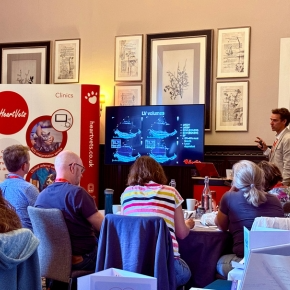
We offer a variety of learning opportunities throughout the year – now’s your chance to let us know what, where and how you want to learn.